Finding the right shoe size is important. Finding the right foot width too? That can make shoe shopping so much easier. Because even the best shoes in the world can feel uncomfortable if they’re too narrow or too wide. And trust us: your feet will absolutely let you know. Luckily, measuring your foot at home is surprisingly easy. All you need is a piece of paper and a pen.
Most people know their shoe size. Far fewer know their foot width. Yet width can make a real difference when it comes to comfort.
Shoes that are too narrow can cause rubbing, pressure points, and unhappy feet. Shoes that are too wide may not support your foot properly, making walking feel unstable. And since feet can change over time (due to aging, long walks, or warm weather), it’s smart to check your measurements every now and then.
What you'll need
Before you begin, grab:
A sheet of paper
A pen or pencil
A ruler or measuring tape
The socks you’d normally wear with your shoes
Step-by-step: How to measure your foot width
Step 1 | Stand on the paper
Place the paper flat on the floor and stand on it. Distribute your weight evenly to make sure your feet spread slightly when standing.
Tip: Measure your feet at the end of the day if possible. Feet naturally swell a little throughout the day, and you want your shoes to fit comfortably all day long.
Step 2 | Trace your foot
Using your pen or pencil, carefully trace around your foot. Hold the pen straight for the most accurate outline.
Repeat this for both feet. One foot is often slightly larger or wider than the other, but that’s totally normal.
Step 3 | Measure the widest part
Look at your tracing and find the widest part of your foot. The widest part is usually across the ball of your foot, near your toes.
Use your ruler to measure straight across from one side to the other. Write the measurement down.
Step 4 | Compare your measurements
Once you have your width measurements, compare them with a shoe width chart for your size.
If your feet tend to swell during the day, or if you have bunions, hammertoes, or a higher instep, a more adjustable shoe can make a world of difference.
A few helpful tips
Measure both length and width
A longer shoe won’t fix a width problem. It’ll just give you extra room at the toes, while the rest of your foot still feels squeezed on the sides. Here’s how to measure your foot.
Don’t ignore pressure points
If shoes feel tight right away, don’t assume they’ll magically “break in”. Good supportive shoes should feel comfortable from the start.
Support matters
Ultra-soft shoes may feel cozy for five minutes, but real comfort comes from the right combination of cushioning and support. Your feet, knees, hips, and back will thank you later.
When in doubt, choose adjustability
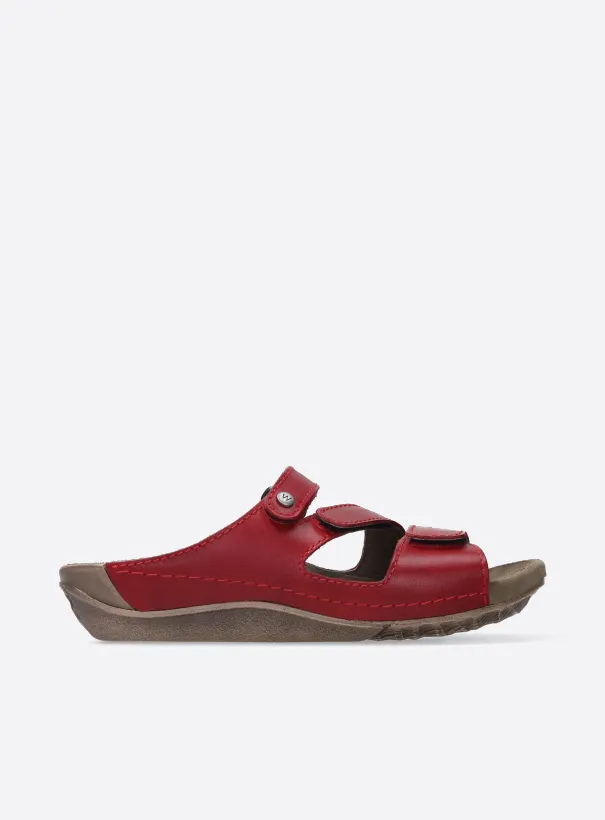
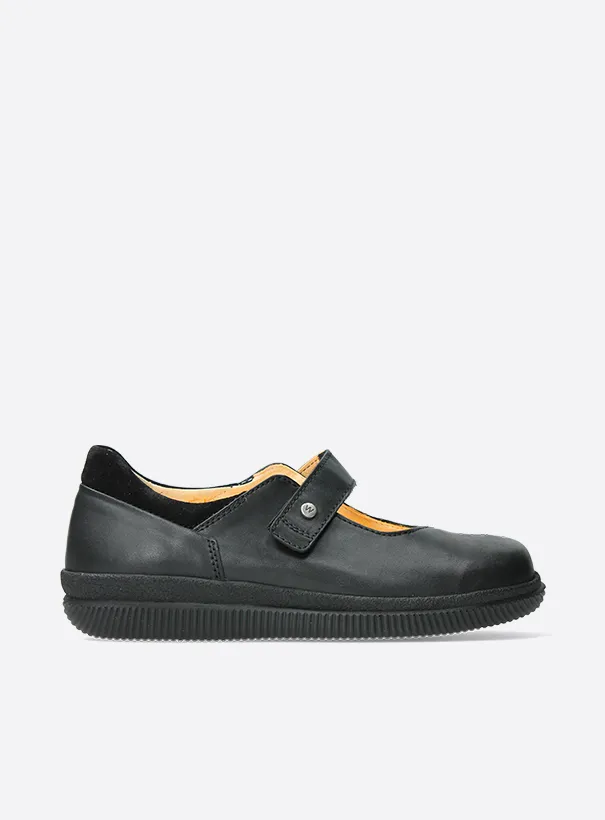
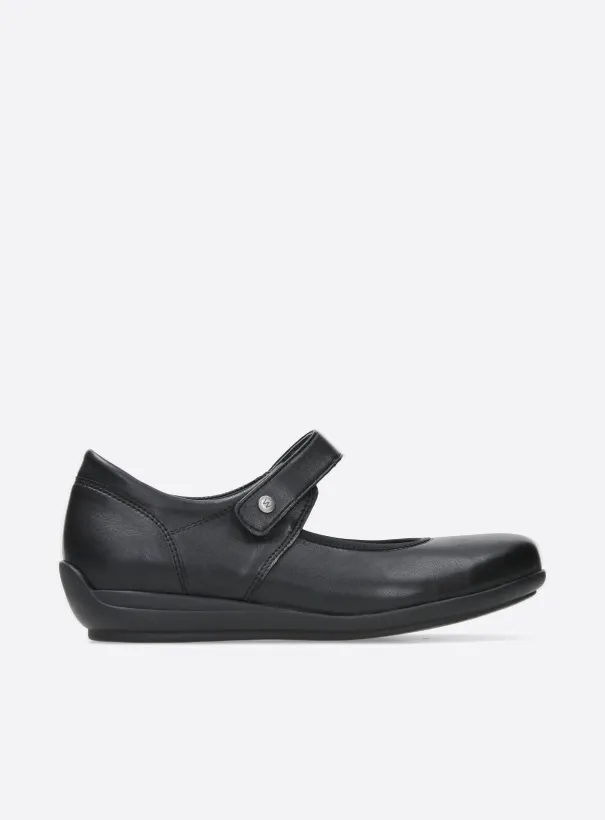
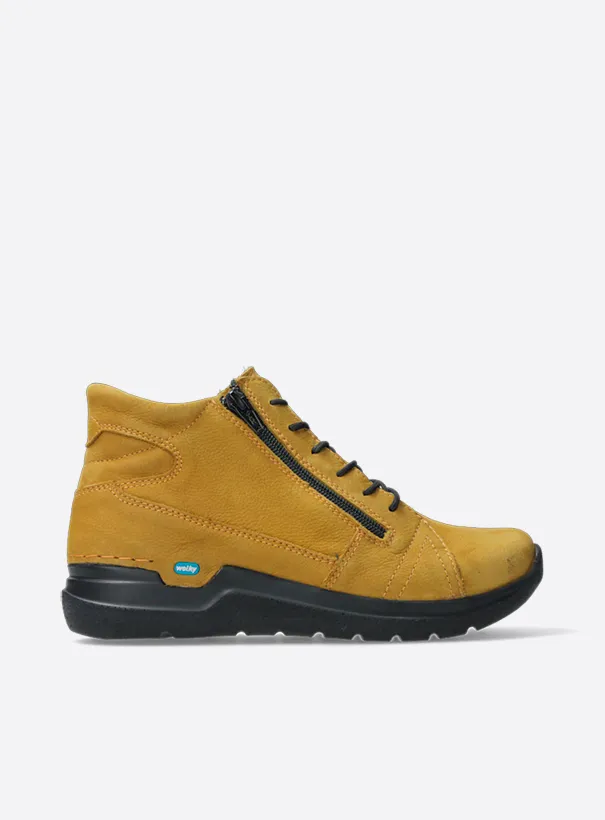
Feet can change over time, especially if you walk a lot, stand all day, or deal with foot concerns like bunions or swelling. Adjustable closures (like laces or Velcro straps) help create a more personalized fit. At Wolky, we love adjustable closures, because sometimes tiny adjustments make a huge difference when you’re walking all day.
Unfortunately, Microsoft no longer provides technical support for the old version of Internet Explorer, therefore you may experience problems loading this website.
Alternatively, you can choose the successor to this browser Microsoft Edge . Switch to another browser as Firefox or Chrome is of course also possible.